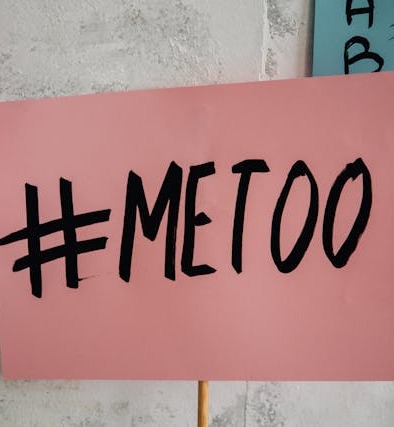
If you have experienced sexual harassment or retaliation in Rochester, our employment attorney can help you file a claim and hold your employer accountable.
Sexual harassment at work doesn’t just hurt in the moment. It follows you home, it changes how you feel walking into work, and it can quietly derail a career you worked hard to build.
If this is happening to you in Rochester, or anywhere in Monroe County and the Finger Lakes, you have more legal protection than you may realize.
Megan Thomas Law, PLLC exclusively represents employees. We never represent employers. Our job is to hold your employer accountable and help you move forward on your terms.
Start your confidential case review or call today.
This is the single most important thing to know if you’ve been told your situation “isn’t bad enough.”
Under federal law, harassment generally has to be severe or pervasive for an employee to have legal remedies. New York State eliminated that requirement in 2019.
According to the New York State Division of Human Rights, harassment under the New York State Human Rights Law (N.Y. Executive Law § 296) is illegal whenever you are subjected to inferior terms, conditions, or privileges of employment. Your employer can only defend itself by showing the conduct was nothing more than “petty slights or trivial inconveniences.”
In practice, that means comments, touching, and advances that a federal court might brush aside can support a real claim here.
Learn more about how a hostile work environment is defined in New York.
Many people stay silent because they’re afraid to report. Maybe the harasser is your boss. Maybe your workplace is small, and everyone knows everyone. Maybe you’ve seen what happens to people who speak up.
Here’s what you need to know. Under state law, you don’t have to complain to your employer or file a formal grievance to establish your employer’s liability.
That doesn’t mean reporting never matters. Sometimes it helps your case, and sometimes the timing and wording of a report make a big difference. It means you have options, and you shouldn’t make that decision alone. Our guide on how to report sexual harassment walks through the considerations, and we can help you decide what’s right for your situation.
Rochester’s workforce runs from hospital systems and universities to manufacturing plants, tech companies, restaurants, and family-owned businesses. The Human Rights Law covers all of them.
We represent employees across industries, including healthcare, higher education, corporate offices, tech, and hospitality.
Megan’s commitment to this work is personal. Early in her legal career, she experienced sexual harassment firsthand and was encouraged to keep quiet. That experience shaped everything about how she practices.
When you work with us, you get:
Meet Megan, see her media features, or read client reviews.
*Prior results do not guarantee a similar outcome.
What you do in the next few days can make your case stronger or weaker. Start here.
For a deeper look at evidence, read how to prove a sexual harassment claim.
It’s tempting to file a complaint with the New York State Division of Human Rights, or the EEOC, on your own. Megan strongly recommends talking to an attorney first, as long as you are not up against a tight statute of limitations deadline, because she’s seen self-filed complaints damage good cases.
We’ll map out your options and recommend the path that gives you the most leverage. See how the sexual harassment case process typically unfolds.
A strong case isn’t only about money, although fair compensation matters. It’s about getting out, getting paid, and protecting your next job.
Depending on the facts, you may be able to recover:
New York law also limits confidentiality in harassment settlements. A confidentiality provision can only be included if it’s your preference, which gives you more control over how your case ends.
Under the New York State Human Rights Law, you generally have three years from the most recent act of harassment to file with the Division of Human Rights, and three years to file a lawsuit in state court. Federal EEOC charges in New York usually must be filed within 300 days. Claims against some public employers carry shorter notice deadlines.
Don’t let a long deadline lull you into waiting. Evidence disappears, coworkers move on, and the details that make your case compelling are freshest right now.
You have the right to a workplace free from sexual harassment, and the right to speak up without retaliation. New York’s Human Rights Law protects employees of every employer in the state, along with contractors and other non-employees working in the workplace, and it doesn’t require harassment to be severe or pervasive.
It depends on your case, and we’ll walk you through exactly how fees would work before you commit to anything. New York law allows attorney’s fees to be awarded in employment cases, which means your employer may end up covering those costs if you win.
Ask whether the firm represents employers, how much of their practice is devoted to harassment cases, whether they’ve taken cases to trial, and how they’ll communicate with you. At Megan Thomas Law, the answers are simple. We never represent employers, harassment is our focus, and we’re ready for trial.
Not necessarily. Under state law, you generally have three years from the most recent incident. Even if you’ve left the job, you may still have a claim. Call us to find out where your deadlines stand.
Yes. Our office is in Syracuse, and we represent employees throughout New York, including Rochester, Monroe County, and the Finger Lakes. Your first conversation can happen by phone.
We represent employees in Rochester and the surrounding communities, including:
We also represent employees in Syracuse, Albany, and across New York State.
You don’t have to keep showing up to a job that makes you feel unsafe, and you don’t have to figure out what comes next by yourself.
Tell us what happened. We’ll listen, give you a straight answer about where you stand, and fight for an outcome that lets you move on with your career and your life intact.
Start your confidential case review or call now.
The information on this page is for general informational purposes only and is not intended as legal advice. Viewing this page, or contacting us through it, does not create an attorney-client relationship. Prior results do not guarantee a similar outcome.

"*" indicates required fields


You’ve dealt with enough.
The harassment, the excuses, the retaliation — it all ends now.
Start your claim. Get what you’re owed.