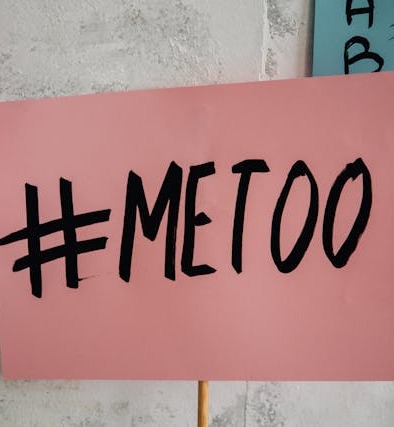
If you have survived sexual abuse in Albany, our attorney can help you bring a claim and seek compensation from those responsible for your harm.
New York law allows a survivor of sexual abuse to bring a civil claim against the person responsible, and a separate claim against the institution that permitted it. The second claim is often where accountability actually lands, because institutions keep records, carry insurance, and frequently have a history of earlier complaints about the same person.
A civil case is also independent of any criminal case. You do not need a police report, criminal charges, or a conviction in order to bring one.
Megan Thomas Law represents survivors across Albany and the Capital Region. If what happened to you occurred at work, our Albany sexual harassment page covers those claims.
Most people who contact us waited before making the call. Some were told at the time of the abuse that they had misjudged the situation. Some reported it and watched the matter quietly close. Some are only now finding words for something that happened years ago.
All of that is ordinary, and none of it weakens a case the way people assume.
We handle these matters with discretion. A first conversation is confidential and places you under no obligation.
A medical examination involves a degree of physical access that no other professional relationship permits. That is what makes misconduct in a clinical setting so hard to name while it is happening, and so easy afterward to dismiss.
Conduct that crosses the line includes examining intimate areas without a clinical reason, or without explaining it beforehand; refusing a chaperone after one is requested; sexual remarks about your body during an examination; examining you without gloves where the examination calls for them; and any contact that continues after you ask it to stop.
This is not limited to physicians. It extends to physician assistants, nurses, therapists and counselors, physical therapists, chiropractors, dentists, and technicians.
The hospital, practice, or health system can carry liability as well, particularly where earlier complaints about the same provider were raised and went nowhere.
Abuse at work sits at the far end of the same spectrum as harassment, and it carries additional weight legally because it involves unwanted physical contact.
That includes groping, forced kissing, being cornered or blocked from leaving, and any forced sexual contact. Where a supervisor is responsible, an employer can be liable without being able to use the defense that they didn’t know about the conduct. The Capital Region economy produces its own version of this problem. Public sector and agency work runs on rigid chains of command, where the person you would report to may sit in the same office as the person you are reporting.
Hospital and long-term care systems run overnight shifts with thin supervision.
Research and higher education place a supervisor in control of funding, credit, or a visa sponsorship.
Restaurants and hotels across downtown, Center Square, and Lark Street often have no formal reporting structure at all.
None of these circumstances reduce your rights. A workplace abuse claim can proceed alongside a claim against the individual, and the two may carry different deadlines, which is one more reason to have someone review the timeline early.
Two agencies handle licensing complaints, and which one applies depends on the provider.
Physicians, physician assistants, and specialist assistants fall under the Office of Professional Medical Conduct at the State Department of Health. OPMC reviews complaints of professional medical misconduct, including complaints of sexual harassment and assault. Complaints can be sent to opmc@health.ny.gov, and reports are kept confidential.
All other licensed professionals, including nurses, therapists, chiropractors, and dentists, fall under the Office of Professional Discipline at the State Education Department.
A licensing complaint is not a lawsuit. It can result in discipline against a provider’s license, but it will not compensate you for what happened to you. The two tracks run separately, and you can pursue both. Speak with an attorney before filing either one, because what you write in a complaint becomes part of the record in any civil case that follows.
The deadlines here are complicated, and they turn on details most people would not think to ask about.
Civil claims arising from certain serious sexual offenses carry a twenty-year deadline under CPLR 213-c, which took effect in September 2019 and does not apply retroactively. Survivors abused as children can generally file until they turn fifty-five. Many other adult claims run on a three-year deadline. Claims involving a public hospital, a state agency, or a public university carry notice requirements measured in months rather than years, and missing one can end a case before it begins. That matters more in Albany than almost anywhere else, given how much of the regional workforce is public sector.
Both temporary revival windows have closed. The Child Victims Act lookback ended in August 2021, and the Adult Survivors Act lookback ended in November 2023.
Because the correct deadline depends on what happened, when it happened, and who employed the person responsible, it is important to have an attorney review your specific facts. Do not assume you are out of time.
A civil claim can cover therapy and medical treatment, past and future, along with lost income where the abuse affected your ability to work. It can also cover the harm itself: emotional distress, anxiety, and the lasting effect on your health and relationships.
Where an institution ignored earlier warnings about the same person, punitive damages may be available. Settlements can also be confidential. If keeping your name out of the public record matters, say so at the first conversation, because it shapes how a case is filed from the beginning.
Whether to come forward is your decision, and nobody else’s. What we can do is set out your options, so that you are making decisions based on accurate information rather than guessing.
We offer a free confidential consultation for qualifying cases. Contacting us commits you to nothing.
Colonie, Guilderland, Bethlehem, Delmar, Troy, Schenectady, Niskayuna, Rensselaer, East Greenbush, Clifton Park, Saratoga Springs, and communities throughout Albany, Rensselaer, and Schenectady counties.
Do I need to have filed a police report?
No. A civil claim is separate from a criminal case, and it does not depend on charges being filed or a conviction being obtained.
Can I bring a claim against the hospital, and not the provider?
Often, yes. Where an institution failed to act on earlier complaints, or did not supervise a provider properly, it can be held responsible for the harm that followed.
What if the person who abused me worked for the state?
Claims against public employers carry much shorter notice deadlines, sometimes only months. If that is your situation, call as soon as you can.
Will my name become public?
Not necessarily. There are ways to protect your identity, depending on how the claim is filed.
The information provided on this page is for general informational purposes only, and is not intended as legal advice. Viewing this page or contacting the firm does not create an attorney-client relationship.

"*" indicates required fields


You’ve dealt with enough.
The harassment, the excuses, the retaliation — it all ends now.
Start your claim. Get what you’re owed.