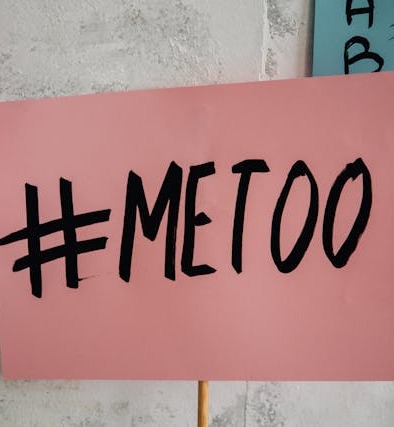
If you are a survivor of sexual abuse in Rochester, our attorney can help you file a civil claim and hold abusers and the institutions that enabled them responsible.
New York law lets survivors of sexual abuse bring a civil claim against the person who committed the abuse and against the institution that allowed it to happen. Those are two separate claims, and the second one is often where accountability actually lands.
A civil case is also separate from a criminal case. You do not need police charges, and you do not need a conviction, to bring one.
Megan Thomas Law represents survivors across Rochester and Monroe County. If what happened to you occurred at work, our Rochester sexual harassment page covers those claims.
Most people who contact us waited a long time before making the call. Some were told at the time that they had misread the situation. Some reported it and watched nothing happen. Some are only now putting a name to what occurred.
Any of that is normal and none of it weakens your case the way you might expect.
We handle these matters with discretion. A first conversation is confidential and carries no obligation.
A medical exam involves a level of physical access no other professional relationship allows, which is exactly what makes misconduct in that setting hard to name.
Conduct that crosses the line includes examining intimate areas without a clinical reason or without explaining why, refusing a chaperone when one is requested, sexual comments about your body during an exam, examining you without gloves when the exam calls for them, or any contact that continues after you ask it to stop.
This is not limited to physicians. It reaches physician assistants, nurses, therapists and counselors, physical therapists, chiropractors, dentists, and technicians.
The hospital, practice, or health system can also be liable, particularly where there were earlier complaints against the same provider that went nowhere.
Abuse at work sits on the far end of the same spectrum as harassment, and it carries additional legal weight because it involves unwanted physical contact.
That covers groping, forced kissing, being cornered or blocked from leaving, exposure, and any forced sexual contact. Where a supervisor is involved, the employer can be held liable without being able to utilize the defense that they didn’t know about the conduct. Certain conditions come up again and again in the cases we see. Overnight and early-morning shifts with a single supervisor on site. Isolated work areas.
Workplaces where the owner is the harasser, and there is nobody above him to report to. Jobs where the worker holds a visa, is new to the country, or depends on the schedule to keep housing, all of which a predator reads as leverage.
None of those circumstances reduce your rights. A workplace abuse claim can run alongside a claim against the individual, and the deadlines for each may differ, which is another reason to have someone look at the timeline early.
Two agencies handle licensing complaints, and which one depends on the provider.
Physicians, physician assistants, and specialist assistants fall under the Office of Professional Medical Conduct at the State Department of Health. OPMC reviews complaints including sexual harassment and assault. Complaints can be sent to opmc@health.ny.gov, and reports are kept confidential.
All other licensed professionals, including nurses, therapists, chiropractors, and dentists, fall under the Office of Professional Discipline at the State Education Department.
A licensing complaint is not a lawsuit. It can result in discipline against the provider’s license, but it does not compensate you. The two tracks run separately and you can pursue both. Speak with a lawyer before you file, because what you write in a complaint becomes part of the record in any later civil case.
Deadlines here are complicated and they turn on facts most people do not know to ask about.
Civil claims arising from certain serious sexual offenses carry a 20-year deadline under CPLR 213-c, which took effect in September 2019 and does not apply retroactively. Survivors abused as children can generally file until they turn 55. Many other adult claims run on a three-year deadline. Claims against a public hospital or a public university carry much shorter notice requirements measured in months, not years.
Both temporary revival windows have closed. The Child Victims Act lookback ended in August 2021 and the Adult Survivors Act lookback ended in November 2023.
Because the right deadline depends on what happened, when, and who employed the provider, have a sexual abuse attorney look at your specific situation. Do not assume you are out of time.
A civil claim can cover the cost of therapy and medical treatment, past and future, along with lost income where the abuse affected your ability to work. It can also cover the harm itself: emotional distress, anxiety, and the lasting effect on your health and relationships.
Where an institution ignored earlier warnings about the same person, punitive damages may be available.
Settlements can be confidential. If keeping your name out of public records matters to you, say so early, because it shapes how a case is filed and handled from the beginning.
Deciding whether to come forward is your decision, and nobody else’s. What we can do is tell you what your options actually are, so you are choosing with real information rather than guessing.
We offer a free confidential consultation for qualifying cases. You are not committing to anything by speaking with us.
Greece, Irondequoit, Brighton, Henrietta, Pittsford, Webster, Gates, Penfield, Fairport, Chili, Perinton, and communities throughout Monroe County and the Finger Lakes region.
Do I need to have filed a police report?
No. A civil claim is separate from a criminal case and does not depend on charges being filed or a conviction being obtained.
Can I sue the hospital and not just the provider?
Often yes. Where an institution failed to act on earlier complaints or did not supervise a provider properly, it can be held responsible for the harm that followed.
Will my name become public?
Not necessarily. There are ways to protect your identity depending on how the claim is filed, which is one reason to raise it at the first conversation.
The information provided on this page is for general informational purposes only, and is not intended as legal advice. Viewing this page or contacting the firm does not create an attorney-client relationship.

"*" indicates required fields






You’ve dealt with enough.
The harassment, the excuses, the retaliation — it all ends now.
Start your claim. Get what you’re owed.