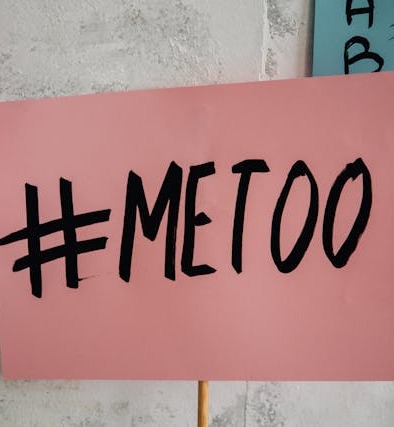

A romantic or sexual relationship between a doctor and a current patient is professional misconduct in New York, and it can put the physician’s license at risk. In psychiatry, state law flatly prohibits any physical contact of a sexual nature with a patient.
In every other specialty, New York courts treat a sexual relationship with a patient the doctor is actively treating as evidence of moral unfitness to practice. And when sexual conduct happens during an appointment or exam, state criminal law says the patient cannot legally consent at all.
What Does New York Law Say About Doctors Dating Patients?
New York defines professional misconduct for physicians in Education Law section 6530. Two provisions matter most here.
Subdivision 44 addresses psychiatry directly. It makes any physical contact of a sexual nature between a psychiatrist and a patient professional misconduct, with narrow exceptions for clinical materials used in treating sexual dysfunction. There is no consent exception.
Subdivision 20 covers conduct that evidences moral unfitness to practice medicine. This is the provision applied to providers outside of psychiatry. New York’s appellate courts have held that a physician who has a sexual relationship with a patient he or she is actively treating bears scrutiny for moral unfitness, because of the potential for abuse of the confidential doctor-patient relationship.
Courts have rejected the argument that a consensual relationship is acceptable simply because the specialty is not psychiatry. In one case involving a physical therapist, a New York court held that a therapist is morally unfit when engaging in any sexual relationship with a patient during the treating relationship, whether consensual or not.
Does It Matter If the Patient Agreed?
Legally, agreement does far less work than people assume.
The doctor-patient relationship involves an imbalance that the law takes seriously. A patient shares private information, undresses, receives a diagnosis, and depends on the provider’s judgment. Consent given inside that dynamic is treated with suspicion, not deference.
New York criminal law goes further. Under Penal Law section 130.05, a patient is deemed incapable of consent when the other person is a health care provider or mental health care provider and the sexual conduct occurs during a treatment session, consultation, interview, or examination. In that setting, the question of whether the patient agreed does not arise, because the law does not recognize consent at all.
So a doctor who claims a relationship was mutual is not describing a defense. Depending on what happened and when, that same conduct may simultaneously support a criminal charge, a licensing action, and a civil claim.
What About Former Patients?
This is where the answer becomes fact-dependent rather than absolute.
Ending the treating relationship does not automatically make a relationship acceptable. Regulators and courts look at:
- How much time passed since treatment ended, and whether treatment truly ended.
- Whether the doctor terminated care in order to pursue the relationship.
- The nature of the care, since psychiatric and mental health treatment involves deeper dependence.
- Whether the patient was vulnerable, and whether private information from treatment was used.
- Whether the patient is likely to return to that provider’s care.
A brief, one-time visit for an unrelated issue years earlier is different from a long therapeutic relationship that ended last month. Because the analysis turns on specifics, a former patient who feels something was wrong is worth taking seriously rather than dismissing.
Which Other Providers Are Covered?
These rules are not limited to physicians. New York regulates more than 45 licensed professions, and similar misconduct standards apply to nurses, dentists, psychologists, physical therapists, social workers, and others through the state’s Office of the Professions.
The criminal provision on consent is similarly broad. It reaches health care providers and mental health care providers generally, not only doctors.
What Can You Do If This Happened to You?
You have more than one option, and you can proceed at the same time.
- Report to a licensing body. For physicians, physician assistants, and specialist assistants, that is the Office of Professional Medical Conduct, which can be reached at 1-800-663-6114. For nurses, dentists, psychologists, and most other providers, contact the Office of the Professions at 1-800-442-8106. Complaints must be in writing.
- Contact law enforcement if the conduct occurred during a treatment session, consultation, or exam.
- Talk to an attorney about a civil claim. A licensing board makes decisions regarding a provider’s license, but it cannot award you money. A civil case can seek compensation for therapy costs, lost income, and the harm you suffered, and it may also reach a hospital or practice that was careless in supervising the provider.
Deadlines vary with the facts. Survivors of certain qualifying sexual offenses in New York generally have 20 years to bring a civil claim, and survivors abused as children may file until age 55. Other claims carry shorter periods. Because the applicable deadline depends on how the claim is framed, get advice before relying on any one date.
Frequently Asked Questions
Is it a crime, or only a licensing issue?
It can be both. Sexual conduct during a treatment session, consultation, interview, or examination can be criminal, since the law treats the patient as incapable of consenting.
What if the doctor and I met socially first?
The treating relationship is still the issue. How you met does not remove the professional duty owed to a patient.
Can I report anonymously?
Yes. The Office of Professional Medical Conduct reviews complaints it receives, including anonymous ones, though contact information helps investigators follow up.
Will reporting affect my medical care?
You are entitled to change providers at any time and to receive copies of your records. An attorney can help you plan that transition.
Talk to a Sexual Abuse Attorney About What Happened
If a doctor or another licensed provider crossed a line with you, the fact that it looked consensual does not settle the question. New York law treats these relationships as the provider’s responsibility, not the patient’s.
Megan Thomas Law, PLLC works with survivors of sexual abuse and exploitation by professionals and can help you weigh reporting and civil options together. Reach out for a confidential consultation for qualifying cases. Contact Megan Thomas Law.
The information provided in this post is for general informational purposes only and is not intended as legal advice. Viewing this post, commenting, or engaging with it does not create an attorney-client relationship.
Author Bio

Megan Thomas
Founder
Megan brings a plethora of experience and a wealth of information to support her clients. Megan worked mainly in litigation before serving as the first female General Counsel for the Onondaga County Water Authority. Megan believes that employees need an even playing field in order to meet their potential in the workplace. She works tirelessly to stand up for her clients’ rights and help them regain their power.
Currently, she serves on multiple boards, including the Rosamond Gifford Zoo, the Central New York Women’s Bar Association, and the Hiscock Legal Aid Society. In addition, Megan is a member of Women’s United and the New York State Bar Association. She also volunteers her time as a t-ball coach. Megan was a recipient of the 40 Under Forty award.
"*" indicates required fields


As Featured In